The Terry Fox Research Institute's 11th Scientific Meeting, titled Targeting the Untargetable, brought together more than 200 delegates from across Canada in Ottawa on November 13–14. Attendees included cancer patients, survivors, caregivers, researchers, and trainees involved in TFRI-funded research programs, including the New Frontiers Program Project Grants, Terry Fox New Investigator Awards, Biology of Cancer Prevention program, and trainee programs.
The meeting featured insightful presentations from international keynote speakers, as well as talks from TFRI-funded principal investigators and trainees. The talks presented research on diverse topics such as targeting key drivers of cancer, developing new tools to understand the tumour immune microenvironment, and finding novel strategies to prevent cancer before it emerges. Researchers had the opportunity to share their findings, lay out next steps for their work, make connections across projects, and explore opportunities for future collaborations.
Presentations from Dr. Spencer Gibson and Dr. Isabel Serrano about the development of pan-Canadian translational research and the future of the Marathon of Hope Cancer Centres Network highlighted TFRI’s commitment to collaborative cancer research that has direct impact on cancer patients. Their reflections on the challenges, lessons, and opportunities that emerge from building the architecture for collaboration and discovery were a powerful reminder of our mission: to embody Terry Fox's message that "we are all a part of the Marathon of Hope and that we must all work together to find new ways to end cancer through research.”
“Witnessing the groundbreaking research presented at the Scientific Meeting and observing the collaborative discussions between established researchers, trainees, and cancer patients was truly inspiring,” says Dr. Jim Woodgett, TFRI President and Scientific Director. “Bringing people together in this way is what TFRI has always done, and showcases our ongoing commitment to unite Canada’s cancer research community for the benefit of cancer patients.”
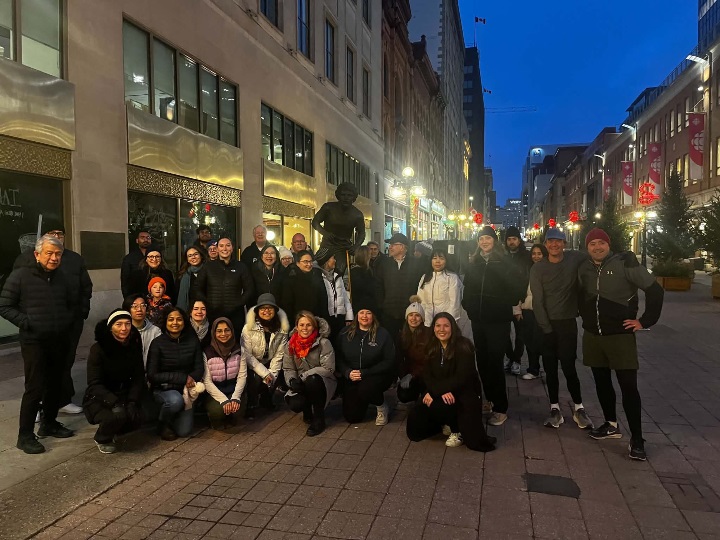
In addition to the rich scientific agenda, participants were also able to join the traditional Terry Fox Run led by Darrell Fox.
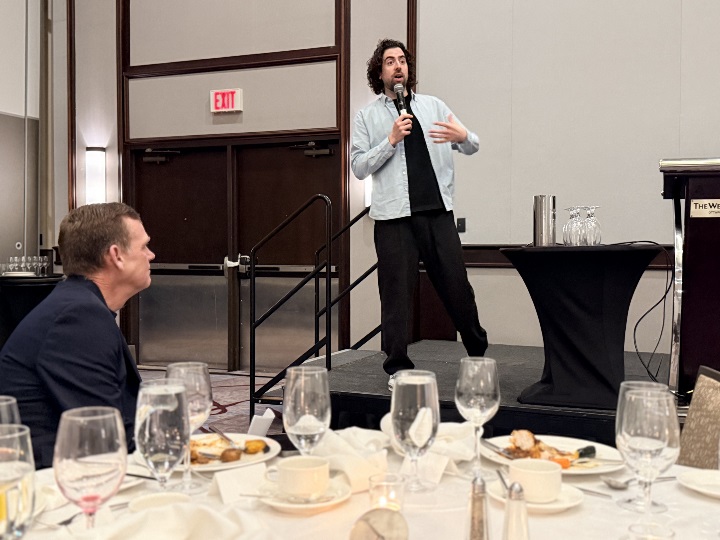
Carol Chiang and Darrell Fox were recognized for their contributions to the TFRI Board of Directors during the banquet, which also included a special presentation from Run Terry Run director Sean Menard.
Rapid-Fire and Poster Session Awards winners
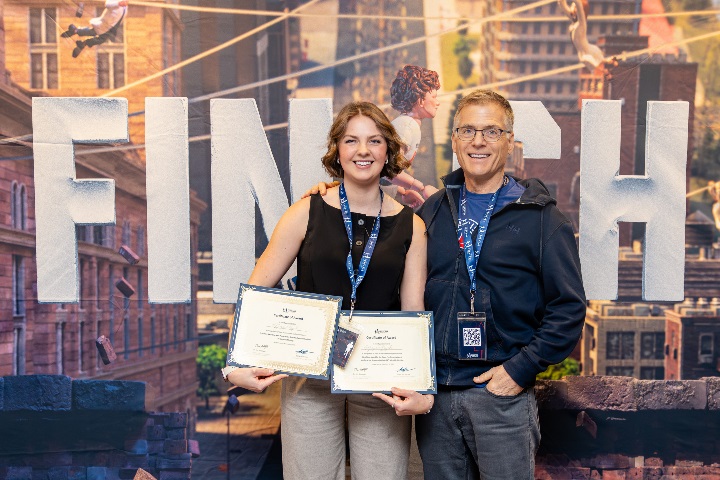
The 11SM Organizing Committee would like to congratulate all 77 trainees who presented posters and rapid-fire talks. These dedicated young individuals are an invaluable part of our research community and represent the future of cancer research.
The following trainees received awards at the 11SM:
Rapid-Fire Talks
First place: Megan Dyck (BC Cancer Victoria and the University of Victoria) for Evidence that the complement pathway is a predominant immune mechanism in ovarian cancer
Second place (tied): Cameron Isaacs-Trepanier (University of Toronto) for Characterizing cell state plasticity in glioblastoma stem-like cells using perturbation genomics
Second place (tied): Jade Tong (Lunenfeld-Tanenbaum Research Institute) for Identifying genetic modifiers of breast cancer initiation in BRCA1 carriers with in vivo CRISPR screening
Poster Sessions
First place: Megan Dyck (BC Cancer Victoria and the University of Victoria) for Evidence that the complement pathway is a predominant immune mechanism in ovarian cancer
Second place: Laura Simonson (University of British Columbia) for Identifying genetic predictors to reduce the burden of opioid-induced harm and ineffectiveness in pediatric oncology patients
Third place: Lucie Droin (Goodman Cancer Institute - McGill University) for Mammary tumor-driven molecular and metabolic reprogramming of neutrophil development in breast cancer